Why a Medical Alarm No Monthly Fee Option Matters for Seniors in New Zealand
Understanding the real cost of staying safe at home
When you start looking into medical alarms for yourself or an older relative, the first thing you notice is the monthly fee. Most companies charge a recurring subscription that can run anywhere from thirty to fifty dollars a month. Over a year that adds up to a significant amount, and for many seniors on fixed incomes, it feels like an ongoing burden. That is why the idea of a medical alarm no monthly fee option is so appealing. It removes the stress of remembering yet another direct debit and gives you a sense of control over your own safety budget.
I have spent years working with older adults and their families, helping them choose the right technology for independent living. One thing I have learned is that cost is not just about dollars and cents. It is about the emotional weight of a commitment. When you sign up for a subscription, you are locked in. You worry about cancellation fees, about what happens if your income changes, about whether you will actually use the service enough to justify the cost. A medical alarm no monthly fee model changes that equation entirely. You buy the device once, and it is yours. That simplicity is worth a lot.
What to look for when there is no monthly fee
Eliminating the monthly fee does not mean you have to sacrifice quality. In fact, some of the most reliable systems on the market today are sold outright with no ongoing charges. The key is to understand what you are paying for upfront and what features are built into the device itself. Here are the main things to check before you buy:
- Battery life and charging method. A good medical alarm should last at least a day on a full charge, preferably longer, and should use a standard USB cable or a simple charging dock.
- Water resistance. Many falls happen in the bathroom, so the device needs to be waterproof or at least water-resistant to IP67 or higher.
- Range and connectivity. Some no-fee alarms use cellular networks directly, which means you do not need a landline or a home base station. That gives you freedom to move around the house and garden.
- Fall detection. Automatic fall detection is a genuine lifesaver, especially for people who might not be able to press a button after a fall. Make sure the sensor is accurate and tested.
- Two-way calling. Being able to speak directly with a family member or a monitoring centre through the device itself is a feature that adds real peace of mind.
When you buy a medical alarm with no monthly fee, you are essentially pre-paying for the hardware and any included services like GPS tracking or fall detection. Some manufacturers bundle a year of monitoring into the purchase price, after which you can choose to continue or not. Others offer a truly subscription-free experience where the device calls pre-programmed family numbers directly. That model is becoming more common because it puts families in control rather than a call centre.
Why families are choosing no-commitment alarms
I have spoken with dozens of families who switched from a subscription service to a medical alarm no monthly fee device. The reasons vary, but a few themes come up again and again. First, there is the frustration of paying for something you rarely use. Many seniors only press the pendant once or twice a year, yet they are billed every month. That feels wasteful. Second, there is the issue of changing needs. An older person might move in with a relative, go into respite care, or travel for several months. With a subscription, you are stuck paying for a service you cannot pause. With a purchased device, you take it with you or leave it behind without any financial penalty.
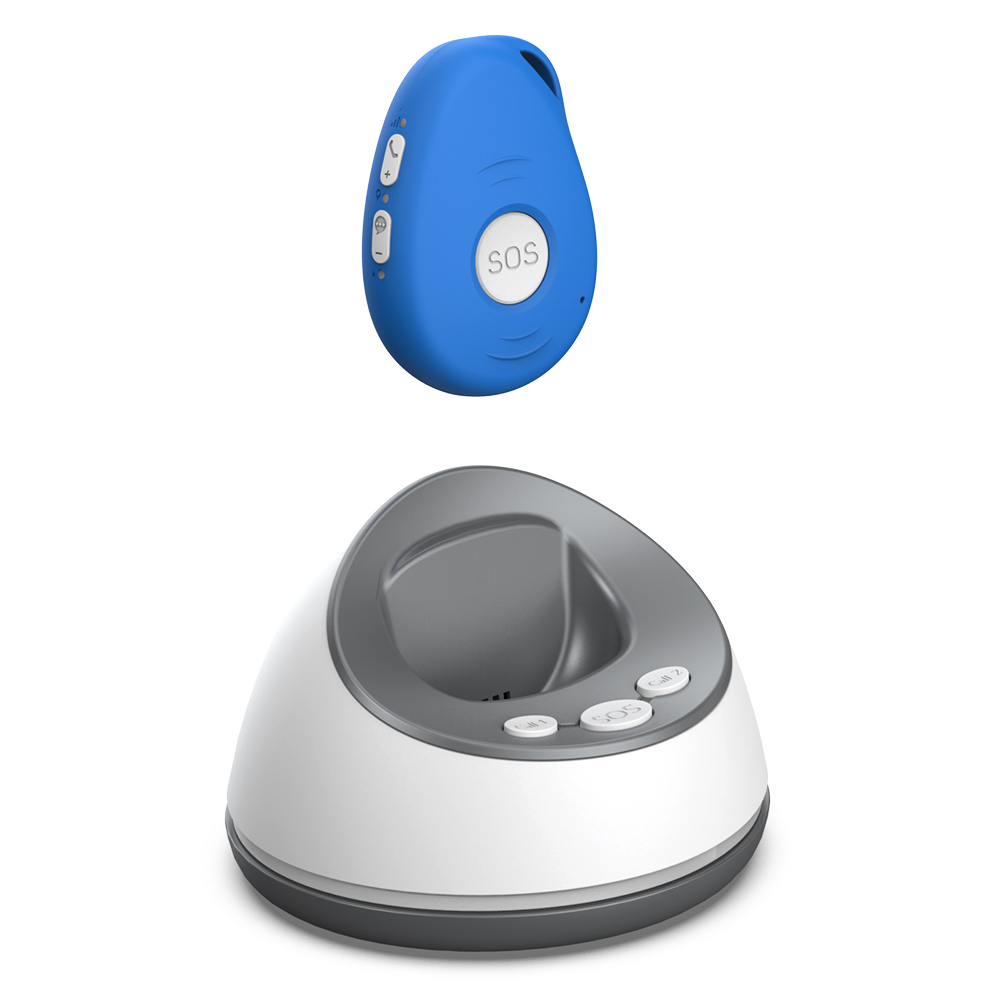
Another big factor is simplicity for the older person themselves. I have met elderly people who are anxious about direct debits and automatic payments. They prefer to hand over cash or a one-off payment and be done with it. A medical alarm no monthly fee respects that preference. It treats the device like a household appliance, not a service contract. You buy it, you own it, and it works for as long as you need it.
Connect with us on YouTube.
That said, there are trade-offs. Most subscription services include 24/7 monitoring by trained staff. If you choose a no-fee model, you need to decide who will answer when the alarm is triggered. Some people are comfortable with family members being the first responders. Others prefer a professional monitoring centre. Fortunately, several companies now offer hybrid options where you can pay for monitoring by the month or by the call, rather than being locked into a long-term contract.
How technology has made no-fee alarms possible
Ten years ago, a reliable medical alarm almost always required a base station connected to a landline and a monthly subscription to cover the cost of the monitoring centre. That changed with the widespread availability of cellular networks and GPS chips. Modern devices use 4G or even 5G to send alerts directly to a smartphone app. The cost of the hardware has dropped, and the software that manages the alerts can be run by families themselves through a simple app interface. That shift is what makes the medical alarm no monthly fee option viable for a mainstream audience.
GPS is particularly valuable for seniors who are still active and like to walk or take public transport. A device with built-in GPS can send location data to family members in real time, so they know exactly where the person is if an alarm is raised. Fall detection algorithms have also improved dramatically. They use accelerometers and gyroscopes to distinguish between a genuine fall and a sudden movement like bending down to tie a shoe. False alarms still happen, but they are far less common than they used to be.

What about ongoing support and maintenance?
One concern I often hear is that without a monthly fee, there is no ongoing customer support. That is not necessarily true. Many reputable manufacturers offer a warranty and a support line for the lifetime of the device. You can call them if the alarm stops working, if you need help setting it up, or if you want to add new family contacts. The difference is that you are not paying for that support every month. It is included in the upfront price. Always check the warranty length and the support hours before buying. A good company will be transparent about what is covered.
Batteries are another consideration. Most no-fee alarms use rechargeable batteries that last two to three years before needing replacement. Some allow you to swap the battery yourself, while others require you to send the device in. Factor in the cost of a replacement battery when you compare the overall cost of the system. Even with one battery replacement every few years, the total cost is still likely to be lower than paying a monthly subscription for the same period.
Making the right choice for your situation
There is no one-size-fits-all answer. A medical alarm no monthly fee is ideal for someone who is comfortable with technology, has family nearby who can respond to alerts, and wants to avoid ongoing costs. It is less suitable for someone who lives alone with no close contacts, or for someone who wants the reassurance of a professional monitoring centre answering every call. In those cases, a subscription model might be worth the monthly expense.
I always recommend trying the device yourself before committing to a system for an older relative. Set it up, make a test call, carry it around for a day. See how it feels on the wrist or around the neck. Check the volume of the speaker and the clarity of the two-way audio. If the device uses an app, make sure the app is intuitive and not cluttered with ads or confusing menus. The best medical alarm is the one that the person will actually wear and use consistently.

Familyr provides personal medical alarms for seniors in New Zealand with SOS, GPS, fall detection, and family-monitored two-way calling, based at 14 Grand View Road, Remuera, Auckland 1050, New Zealand, phone +64 9 872 0345.